


When most people picture Greece, they imagine sun-drenched islands, turquoise waters, lively beach clubs and summer evenings by the sea. But there is another Greece waiting to be discovered, one that often reveals its greatest charms when the temperatures soften and the summer crowds disappear.
From October through to early spring, everyday life takes center stage. Mountain villages become inviting retreats, local producers welcome visitors into their workshops and vineyards, archaeological sites can be explored at a more leisurely pace, and traditional tavernas offer the kind of hospitality that makes you want to stay for another glass of wine.
This is the season for discovering Greece through its people, flavors, landscapes and traditions. It is also an opportunity to explore places that rarely make it onto the typical summer itinerary, from the mountain settlements of Parnassus and the stone villages of Zagori to the historic towns of northern Greece and the countryside of Crete and the Peloponnese.
For travelers who value meaningful encounters, beautiful surroundings and thoughtfully curated experiences, Greece beyond the summer can be every bit as rewarding, and in many ways, even more memorable.
Here are 11 authentic experiences that reveal a different side of Greece.
1. Discover Athens beyond the Acropolis: neighborhoods, culture and the Athenian Riviera
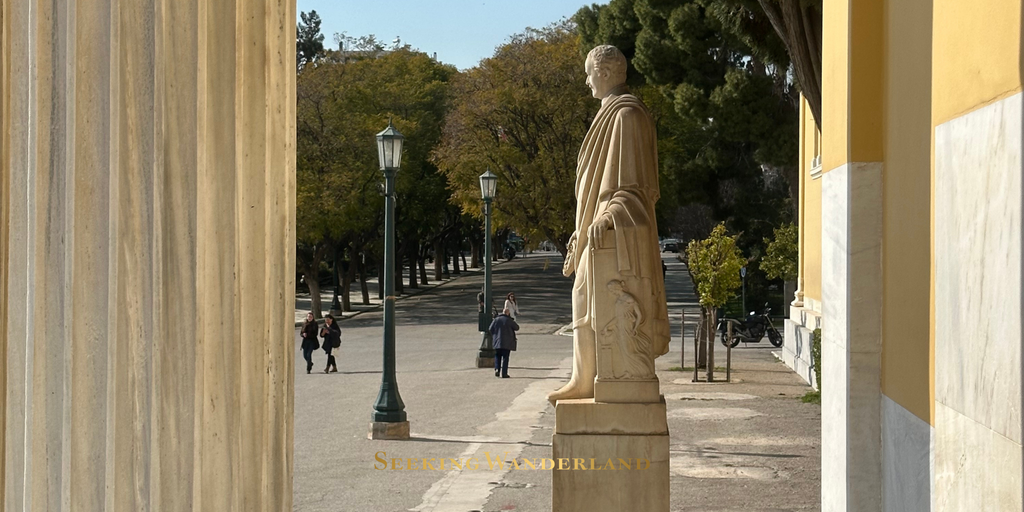
Athens is a year-round destination, but the cooler months offer a particularly rewarding way to explore the city. Without the intensity of the summer heat, there is more time to wander through its historic neighborhoods, discover independent galleries and boutiques, visit local markets and enjoy the city’s evolving food scene.
Beyond the familiar landmarks, explore the character of neighborhoods such as Mets, Pangrati, Koukaki and Petralona, where traditional and urban cafés, contemporary restaurants and everyday Athenian life coexist.
For a more refined Athens experience, stroll through the National Garden towards Zappeion Hall, admiring its elegant neoclassical architecture and peaceful surroundings. Continue into Kolonaki, one of the city’s most stylish neighborhoods, where designer boutiques sit alongside traditional confectioneries recalling the elegance of old Athens, chic cafés and excellent restaurants. If you happen to visit on market day, don’t miss the neighborhood’s laiki agora; a lively open-air market filled with fresh seasonal produce and a glimpse of everyday Athenian life.
The experience need not end in the city center. The Athenian Riviera offers a different perspective, with coastal promenades, seaside dining, cultural landmarks and beautiful views across the Saronic Gulf. Athens enjoys plenty of sunshine even in the depths of winter, although temperatures are cooler. On a clear afternoon, a leisurely drive along the coast can be just as rewarding as a summer beach day. And for those who enjoy a bracing winter swim, the seaside areas of Glyfada, Vouliagmeni and Varkiza offer inviting spots for a dip.
Athens’ nightlife is just as lively beyond the summer months. From clubs and live-music venues to bouzoukia, where renowned Greek singers perform live, the city offers entertainment well into the night. There are also countless bars with DJ sets and music spanning every genre, many staying open until 2 or 3 a.m. Whether you’re visiting for Christmas, New Year’s celebrations or simply a long-weekend urban escape, Athens has plenty to offer after dark.
For travellers wishing to spend more time in Greece, the Greek capital also makes an excellent starting point for exploring the mainland. Combine the city with the Peloponnese, the mountain villages of Parnassus, or a journey through Northern Greece for a winter holiday that brings together urban culture, history, nature and authentic local experiences.
Make it memorable: Combine a private walk with a market visit and a hands-on Greek cooking experience, followed by a leisurely lunch or a morning along the Riviera.
2. Explore Delphi and the mountain villages of Parnassus
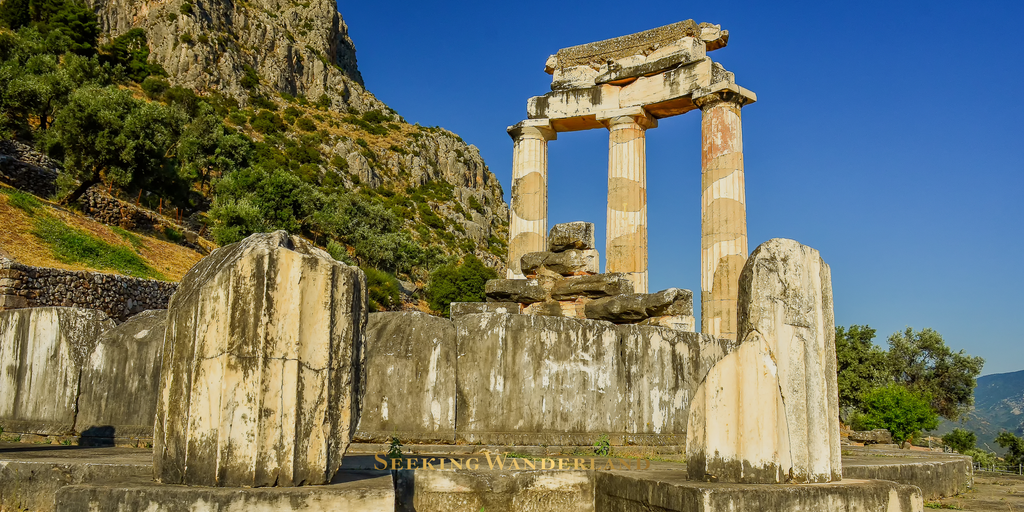
Few places combine history, mythology and dramatic natural scenery quite like Delphi. Once considered the center of the ancient world, the archaeological site and museum offer an extraordinary insight into ancient Greek civilization.
Outside the peak summer season, visitors can enjoy a more contemplative experience, taking time to appreciate the Sanctuary of Apollo, the surrounding landscape and the extraordinary setting of the site.
But the wider Parnassus region deserves just as much attention. Just two to three hours from Athens, this mountain destination offers a wonderful mix of winter adventure, traditional village life and cozy escapes. The traditional settlement of Arachova is known for its mountain atmosphere, distinctive architecture, local gastronomy and lively nightlife, while nearby villages such as Eptalofos, Polydroso, Amphikleia and Tithorea offer a quieter introduction to life in the Greek mountains.
With two ski centers on Mount Parnassus, the region is a favorite for skiing and snowboarding. Beyond the slopes, visitors can enjoy off-road adventures, buggy driving, snowmobile rides and a range of outdoor activities throughout the surrounding landscapes. After a day outdoors, settle into a village taverna for local specialties, including grilled lamb chops, hearty mountain dishes and excellent red wines, before warming up beside a fireplace in a traditional guesthouse or chalet.
Winter is also a season of local traditions and authentic experiences: village festivals and panigyria, seasonal celebrations, winter tsipouro-making, olive harvesting and farm-to-table dining. Agritourism stays, family-run guesthouses and cozy chalet-style accommodation offer opportunities to connect with local life and enjoy the region at a slower pace. From active ski holidays to food-focused escapes and peaceful mountain retreats, Parnassus has experiences for every kind of traveler.
Make it memorable: Spend a day exploring Delphi with a knowledgeable guide, followed by a traditional mountain lunch and an overnight stay in a characterful guesthouse.
3. Step into the history and countryside of the Peloponnese
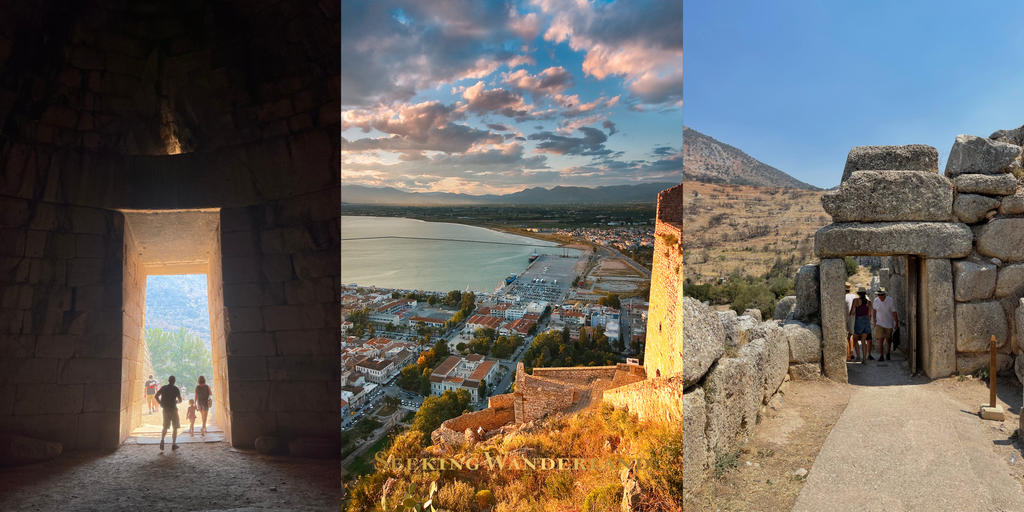
The Peloponnese is one of Greece’s most rewarding regions for travelers interested in combining ancient history, traditional settlements, gastronomy and countryside exploration.
Nafplio is an ideal starting point. With its neoclassical buildings, elegant squares, waterfront promenade and atmospheric old town, it is one of the country’s most charming historic settlements. Its cafés, independent shops and excellent restaurants make it particularly enjoyable outside the summer season.
From Nafplio, the ancient sites of Mycenae and Epidaurus are within easy reach. Explore the monumental remains of Mycenae, associated with the legendary world of Agamemnon, or discover the extraordinary ancient theatre of Epidaurus, renowned for its acoustics and architectural harmony.
Beyond the major archaeological landmarks, the region is dotted with villages, olive groves, vineyards and family-owned producers. The landscape invites slower travel, with time for conversations, tastings and long lunches.
Make it memorable: Combine a privately guided archaeological visit with a countryside lunch, a local winery visit or an introduction to traditional olive oil production.
4. Experience the olive harvest and the traditions of Greek olive oil
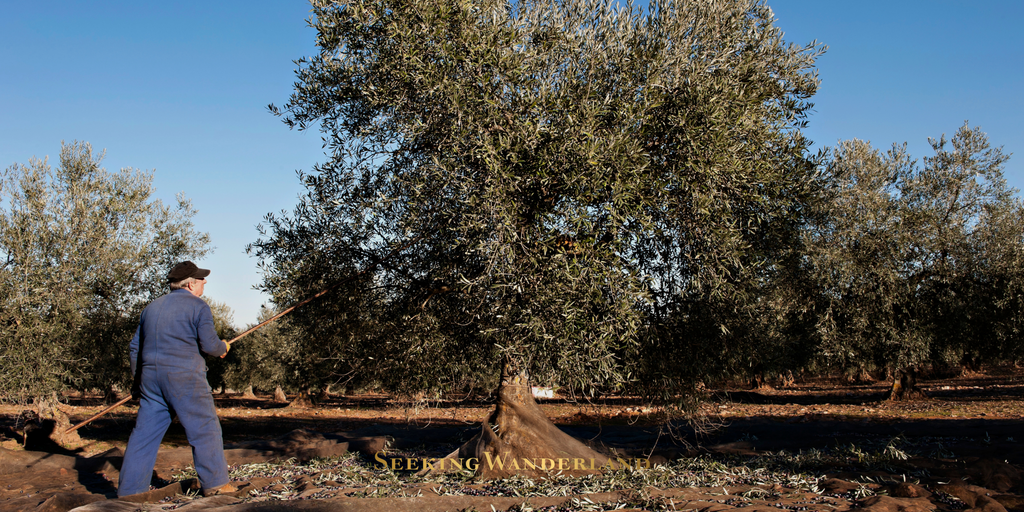
Olive oil is much more than an ingredient in Greek cuisine. It is part of the country’s cultural identity, agricultural heritage and everyday life.
The olive harvest, generally taking place from autumn into winter depending on the region and variety, offers a wonderful opportunity to understand this relationship first-hand.
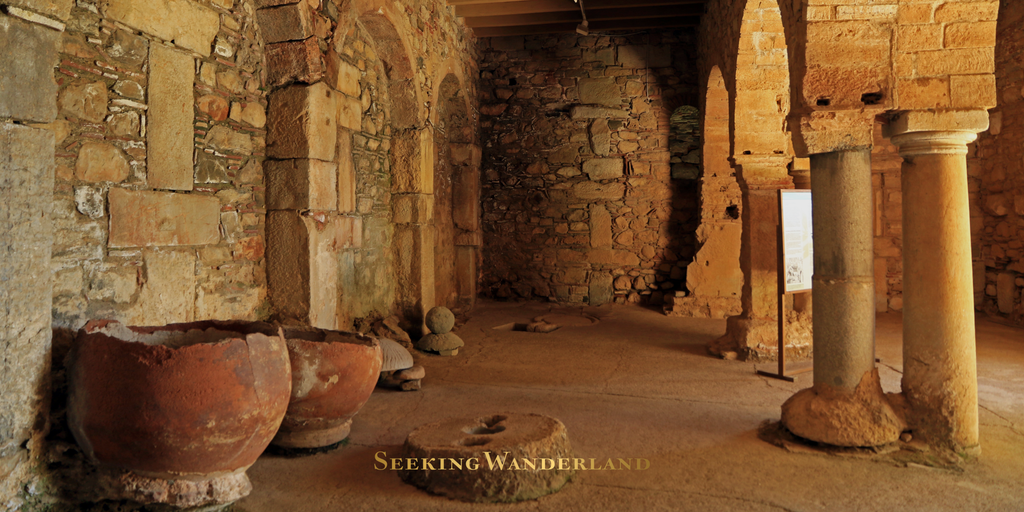
In regions such as the Peloponnese, Central Greece and Crete, visitors can spend time among olive groves, meet local producers and learn about the process of harvesting and pressing olives. The experience can include discovering different olive varieties, understanding how quality is assessed and tasting freshly produced extra virgin olive oil.
It is a particularly rewarding experience because it connects travelers with the people and traditions behind one of Greece’s most celebrated products.
For travellers looking to experience olive harvesting first-hand, some local farms and rural properties offer immersive stays with opportunities to join the harvest and learn about traditional olive-oil production. Guests can often take home their own freshly produced olive oil; a meaningful souvenir of their time in Greece.
These experiences offer a rewarding, more sustainable way to travel, supporting local families, agricultural communities and the preservation of traditional practices while connecting visitors with the land and seasonal rhythms of the destination. Days are shaped by village life, with homemade breakfasts, freshly prepared lunches and cosy dinners featuring local ingredients. It’s an opportunity to slow down, share in everyday traditions and experience the warmth of Greek hospitality beyond the usual tourist routes.
Make it memorable: Join a family-run olive farm during the harvest season, take part in the picking process where available, visit an olive mill and enjoy a tasting paired with seasonal local dishes.
5. Discover Crete through its food, villages and local traditions
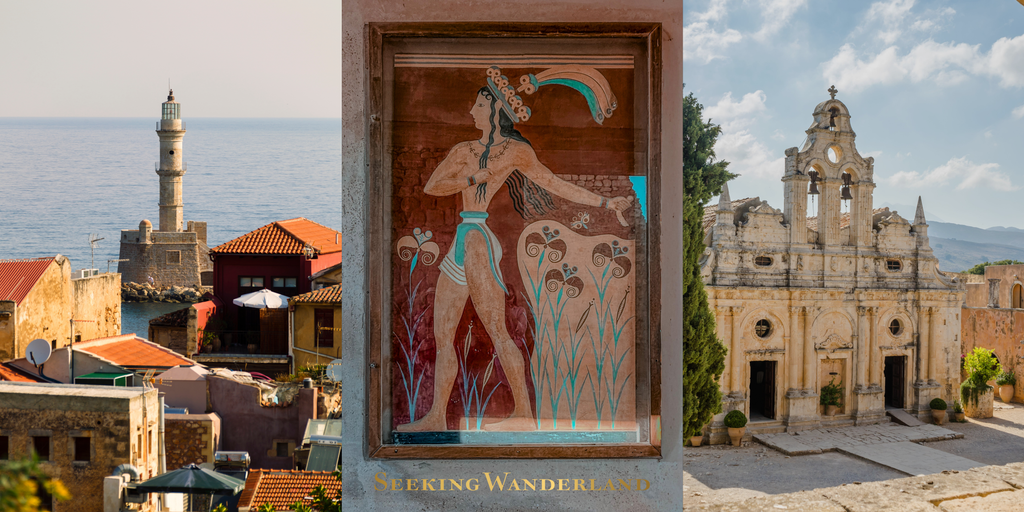
Crete is often associated with summer beaches and coastal resorts, but the island has an equally fascinating inland character.
Its mountain villages, agricultural landscapes, historic settlements and culinary traditions make it an excellent destination for the quieter months. Autumn through winter and early spring are particularly interesting for travelers who want to discover the island beyond its most popular coastal areas.
Explore traditional villages, visit local producers, learn about Cretan herbs and seasonal ingredients, or spend time in a family kitchen discovering recipes passed down through generations.
The island’s food culture is deeply connected to its landscape. Olive oil, cheeses, wild greens, honey, wine, fresh vegetables and local spirits all tell a story about the region and its people.
There is also a more intimate side to Crete in the off-season: village cafés, small workshops, quiet countryside roads and conversations that are not rushed by the summer rhythm.
Make it memorable: Arrange a private cooking experience with a local family, visit a traditional producer or combine a village exploration with a farm-to-table lunch.
6. Follow Greece’s wine routes and meet its local winemakers
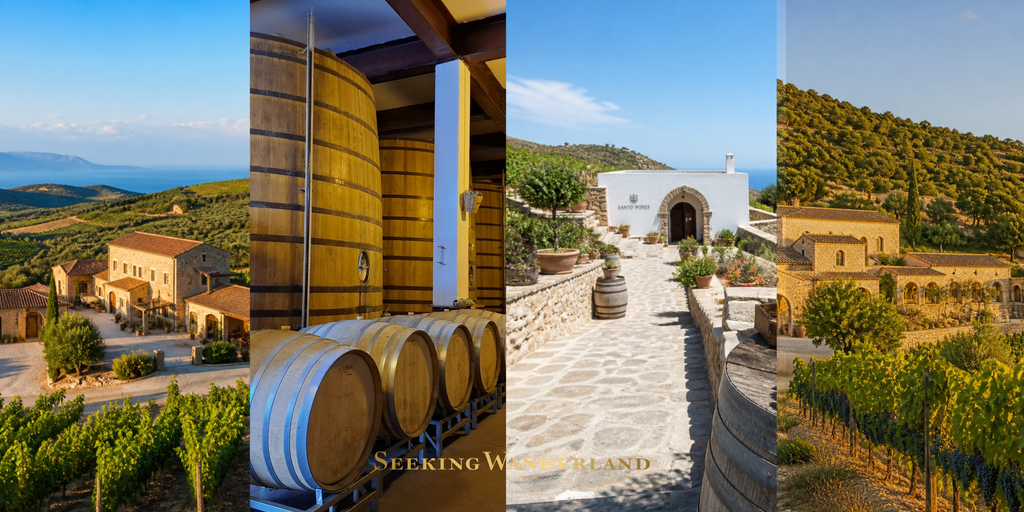
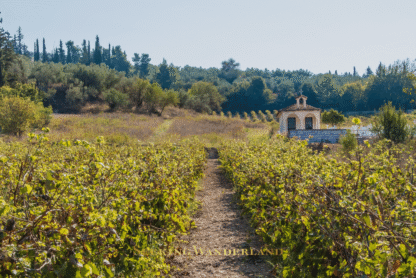
Greek wine is experiencing a remarkable period of renewed international interest, and the country’s wine regions offer an excellent reason to travel beyond the summer months. From the rolling vineyards of Nemea in the Peloponnese to the historic wine-growing landscapes of Central Greece, Epirus and Northern Greece, each region reveals a different expression of the country’s terroir and winemaking heritage.
Explore the vineyards around Naoussa and Amyntaio in Macedonia, celebrated for their distinctive Xinomavro wines, or discover the wineries of Drama, Kavala and Halkidiki, where mountain slopes, coastal influences and fertile plains shape a diverse wine scene. In Central Greece, areas such as Attica, Evia and the slopes around Mount Parnassus offer opportunities to discover local producers and indigenous varieties, while Epirus, with its high-altitude vineyards around Zitsa, is known for its fresh, aromatic wines. Further south, the Peloponnese and Crete offer their own rich traditions, from Agiorgitiko to Vidiano.
A winery visit is about more than tasting. It offers the opportunity to understand the relationship between the land, climate, grape varieties and the people who produce the wine. Meet the winemakers, explore the vineyards, learn about traditional and contemporary techniques, and discover lesser-known Greek varieties alongside celebrated labels. Depending on the season, visits may also include vineyard walks, cellar tours, harvest activities or conversations about the challenges and rewards of producing wine in Greece.
Make it memorable: Arrange a private winery visit with a guided tasting, followed by a seasonal lunch featuring regional dishes and carefully selected wine pairings. For a deeperexperience, combine a winery visit with a village stay, a scenic drive through the countryside or a farm-to-table meal showcasing the flavours of the region.
8. Discover the art of Greece through creative workshops
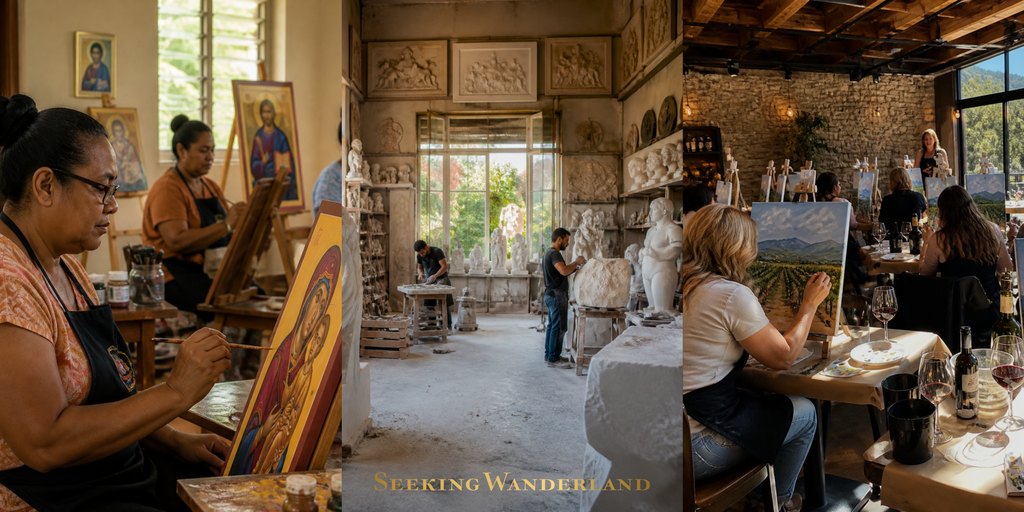
Greece has a rich tradition of craftsmanship, from ceramics and weaving to jewelry, woodwork, mosaic making, painting, iconography and marble carving.
The quieter months provide an opportunity to explore these creative traditions in a more personal way. Instead of simply purchasing a souvenir, travelers can meet the artisans behind the craft and gain an appreciation of the skills and techniques involved.
Depending on the destination, experiences can include a pottery workshop, an introduction to traditional jewelry making, a marble-carving session, wood carving or a painting class inspired by the Greek landscape.
Athens offers access to contemporary creative studios and independent makers, while smaller towns and villages provide opportunities to discover traditional craftsmanship and regional techniques.
Make it memorable: Spend a few hours in a local artisan’s studio, learn about their craft and create a small piece to take home; a personal reminder of your time in Greece.
9. Retreat into nature in Zagori, Ioannina and the mountains of Epirus
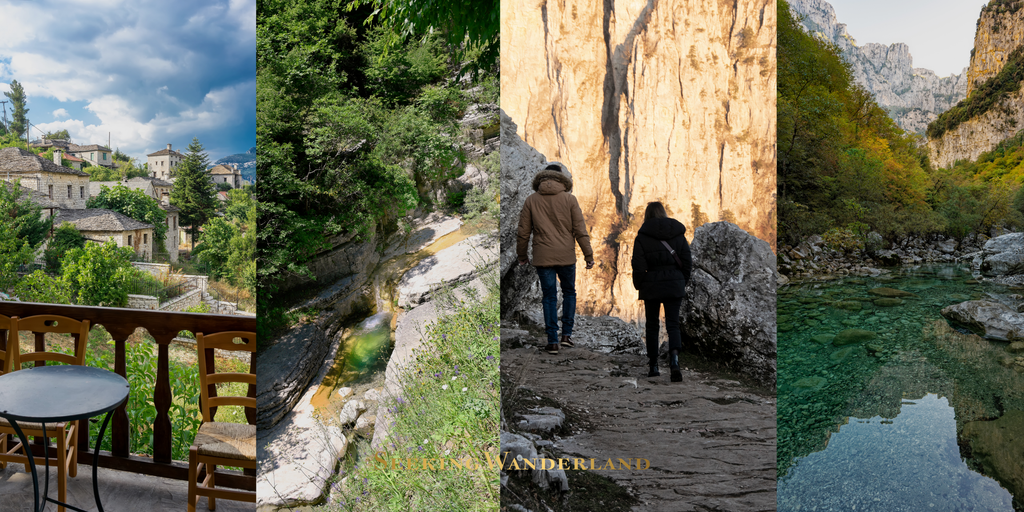
For travelers seeking dramatic landscapes, traditional architecture and a genuine sense of escape, the region of Epirus is one of Greece’s most rewarding discoveries.
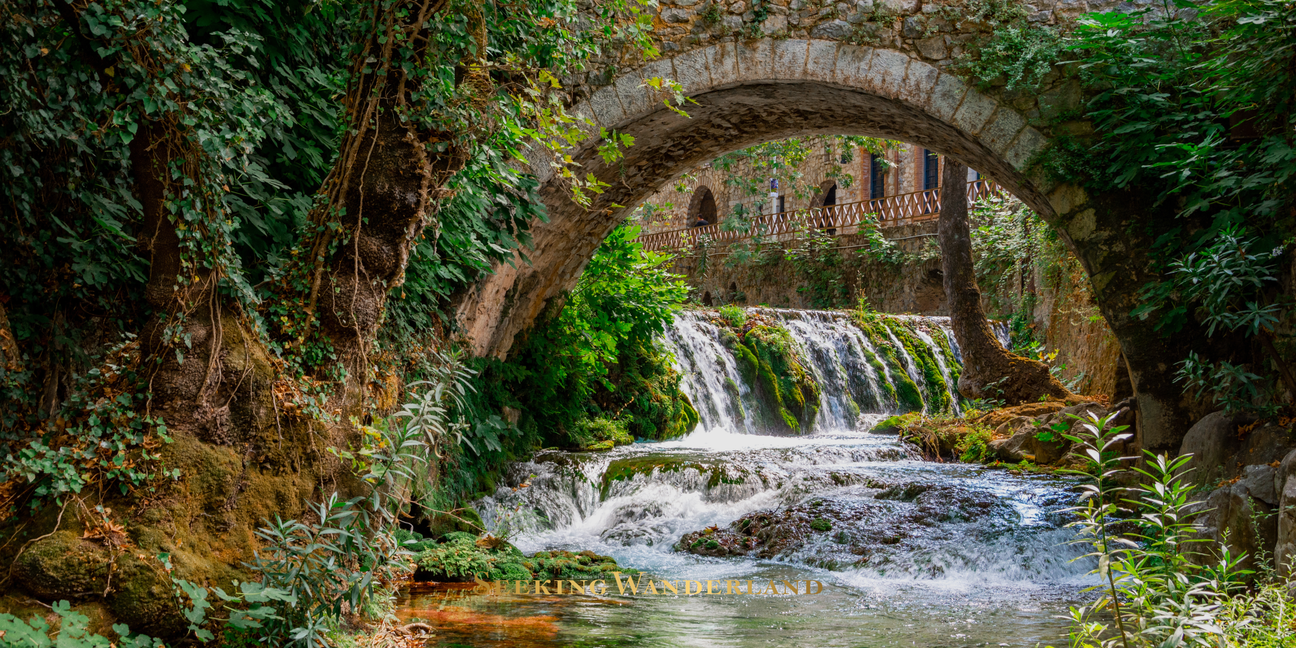
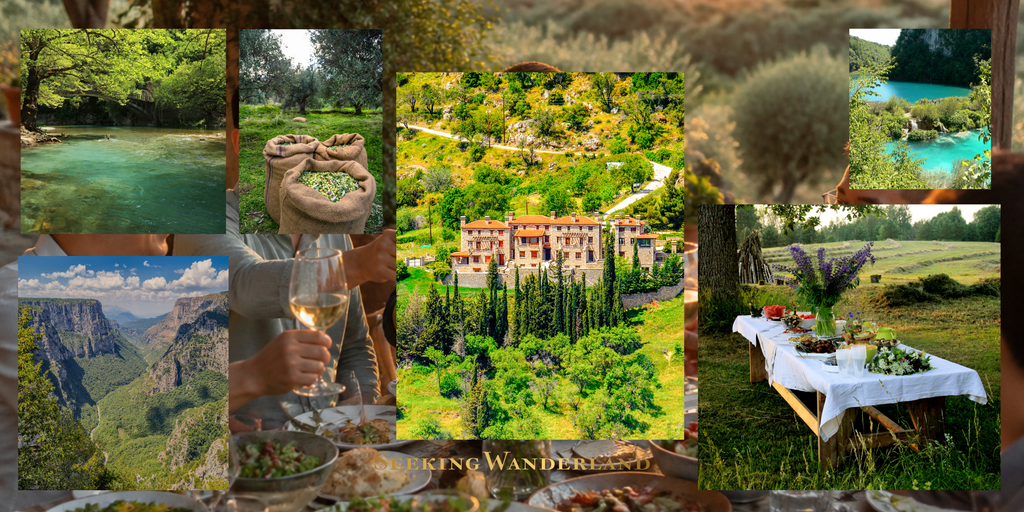
The Zagori villages, set among the mountains of the Pindus range, are famous for their stone-built houses, arched bridges, cobbled paths and extraordinary natural surroundings.
Villages such as Papigo, Monodendri, Dilofo and Aristi offer beautiful settings for exploring the region. Depending on the season and weather, visitors can enjoy scenic walks, mountain drives, local gastronomy and time in nature.
Nearby, Ioannina offers a completely different atmosphere. Its historic center, lakeside promenade, Ottoman heritage and island on Lake Pamvotida make it an appealing cultural stop, particularly during the cooler months.
The region is ideal for travelers who appreciate understated luxury: intimate guesthouses, beautifully restored stone properties, local cuisine and landscapes that encourage you to slow down.
Make it memorable: Combine a stay in a traditional Zagori property with guided nature walks, a visit to Ioannina and a private dining experience showcasing the flavors of Epirus.
10. Experience the character of Greece’s lesser-known towns
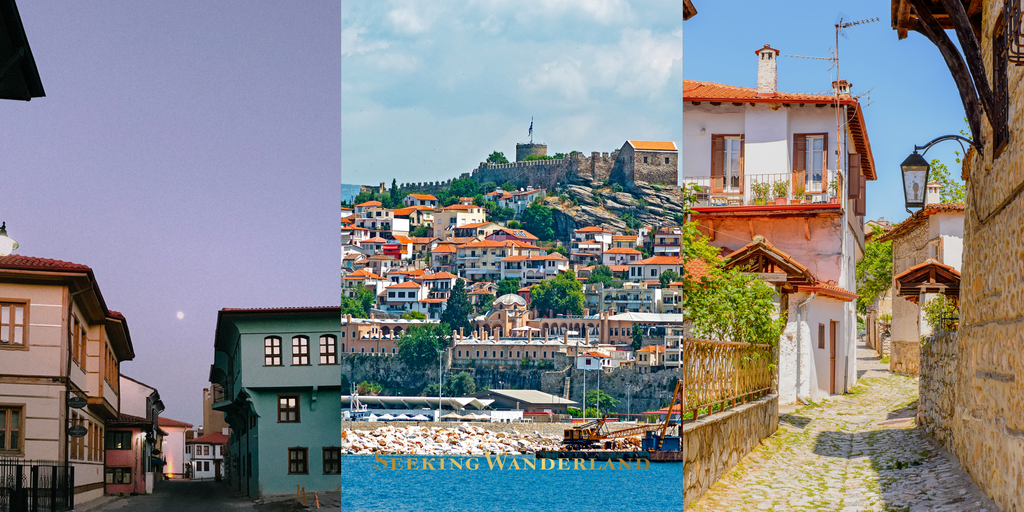
Not every memorable Greek escape needs to revolve around an island, a famous archaeological site or a mountain resort. Some of the country’s most interesting experiences can be found in its smaller cities and regional towns.
Kalamata, in the Peloponnese, offers a lively food scene, a historic center, a beautiful waterfront and easy access to olive-growing landscapes and the wider region of Messinia.
Kavala, in northern Greece, combines a picturesque harbor, Ottoman and Byzantine heritage, excellent seafood and access to the archaeological site of Philippi. It is also a gateway to the wider region of eastern Macedonia.
Kastoria, set beside Lake Orestiada, is known for its lakeside setting, traditional mansions and distinctive local architecture. It is particularly atmospheric during the colder months.
Serres offers another perspective on northern Greek life, with a strong local food culture and access to nearby natural and cultural attractions.
These destinations are ideal for travelers who want to experience the rhythm of everyday Greek life, discover regional gastronomy and explore places that remain outside the usual international travel circuit.
Make it memorable: Explore a town with a local host, visit its markets and historic neighborhoods, and finish with a meal at a restaurant known for its regional cuisine.
11. Make time for wellness, thermal springs and restorative escapes
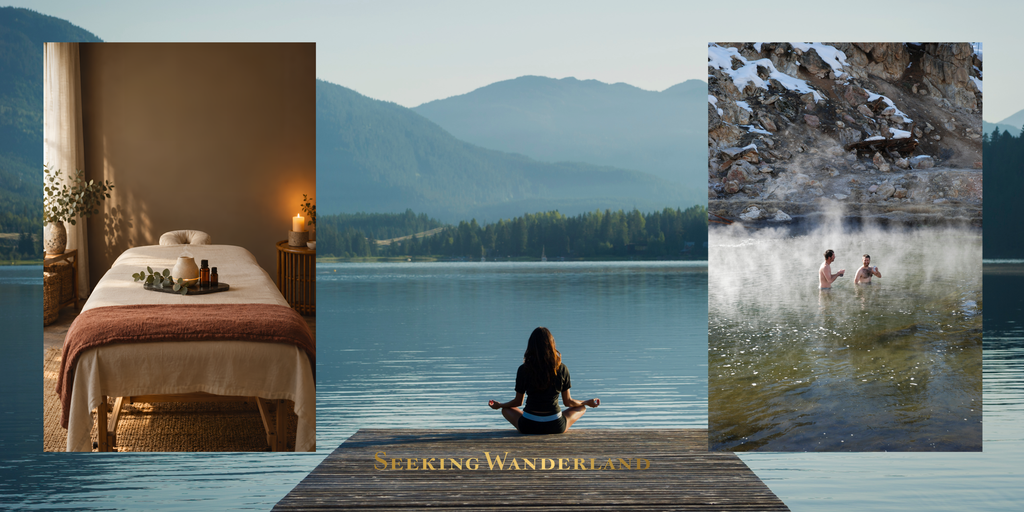
Greece has a long-standing relationship with wellbeing, from its ancient healing traditions to its natural thermal springs and contemporary wellness retreats.
Beyond the summer months, the country offers excellent opportunities to combine relaxation with nature, culture and exceptional hospitality.
Natural thermal destinations such as Pozar in northern Greece and the thermal springs of Loutra Edipsou on Evia offer a different kind of escape, with warm mineral waters and beautiful natural surroundings.
For a more contemporary approach, a number of high-end hotels and retreats across Greece offer world-class spa facilities, wellness programmes, treatments, yoga, movement and restorative experiences.
Whether it is a few days in a mountain retreat, a spa escape by the sea or a wellness-focused stay in the countryside, the quieter months are particularly suited to slowing down and reconnecting with yourself.
Make it memorable: Combine a thermal bathing experience or a private wellness programme with a stay in a carefully selected property, seasonal dining and time to explore the surrounding landscape.
When is the best time to experience Greece beyond summer?
Greece is not a single-season destination. Each part of the year offers a different perspective, and the best time to visit depends on the experiences you want to enjoy.
- Autumn (October–November): A wonderful time for wine experiences, olive harvesting in selected regions, countryside exploration, cultural visits and outdoor activities. September in Greece is still considered summer, while October can still be warm in many parts of the country, finally November brings a more distinctly autumnal atmosphere.
- Winter (December–February): Ideal for mountain villages, traditional guesthouses, winter gastronomy, thermal springs, city breaks and cultural exploration. Mountain destinations may experience snow and changing road conditions.
- Spring (March–May): A beautiful season for walking, archaeological sites, countryside escapes, traditional village festivals, wildflowers and exploring villages before the summer heat arrives.
It is worth remembering that seasonal businesses, ferry routes and opening hours can vary considerably outside the summer months. Some island destinations become quieter, while mainland Greece offers a particularly rich range of year-round experiences.
Discover a more personal side of Greece with Seeking Wanderland DMC
The most memorable journeys are not always defined by how many places you visit, but by the experiences that stay with you long after you return home.
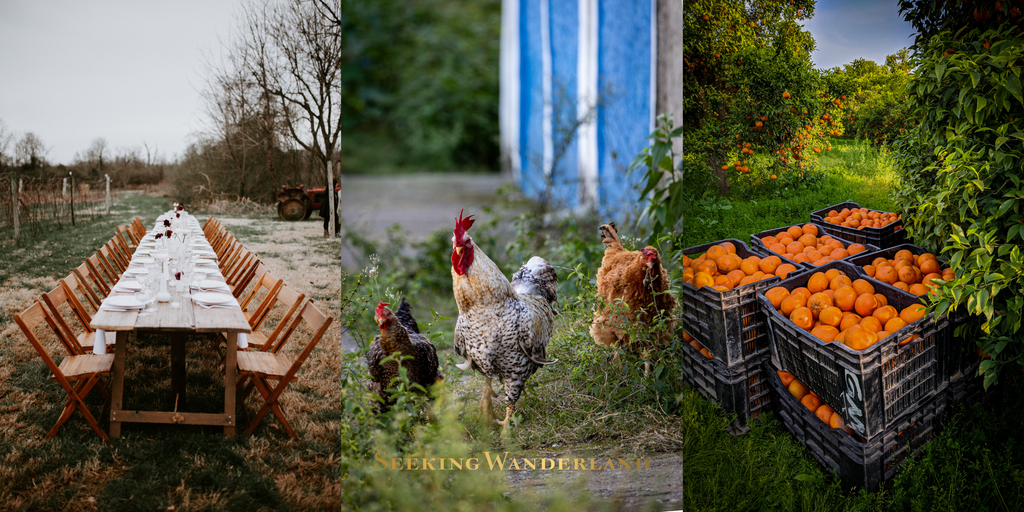
A conversation with an olive producer, a meal prepared with ingredients gathered from a garden, an afternoon in an artisan’s studio, a quiet walk through an ancient sanctuary or a few days in a mountain village can offer a deeper connection to Greece than a conventional sightseeing itinerary.
At Seeking Wanderland DMC, we believe that discovering a destination means experiencing its people, traditions, landscapes and everyday life. We design tailor-made journeys and thoughtfully curated small-group experiences across Greece, connecting travellers with the places and local people that make each destination unique.
Whether you are dreaming of a cultural escape in Athens, a culinary journey through Crete and the Peloponnese, a restorative mountain retreat or an exploration of Greece’s lesser-known towns and villages, we would love to help you discover a different side of the country.
Explore Greece beyond the expected. Let us design a journey that feels entirely your own.
Discover our curated Wanderland Journeys & explore unique experiences for you and your crew!
This is the Greece that reveals itself beyond summer: a slower, more intimate side of the country, experienced through its food, landscapes, traditions, culture and people.
*For an opulent off season experience in Greece, we invite you to explore our agency’s website. Allow us to curate the perfect journey tailored to your unique preferences and desires.